


.svg)

The hotel industry is entering 2026 with a strong focus on operational discipline, profitability, and intelligent technology adoption. PwC’s hospitality outlook highlights that the operators who will lead the market are those who combine data-driven decision-making, resilient cost structures, and guest experiences that feel both personal and efficient. The following ten trends reflect what hotel brands worldwide are actually implementing, not hypothetical predictions.
1. AI Becomes the Operational Nerve Centre
Artificial intelligence is no longer confined to experimental pilots; it now underpins daily operations. Hotels are using AI to forecast staffing needs, automate service requests, optimize maintenance schedules, and support revenue decisions. AI can combine data from property management systems (PMS) and point-of-sale (POS) platforms to form Intelligent Guest Profiles (IGPs), capturing guest preferences across every interaction and enabling more relevant, seasonal upsell opportunities.
2. Personalisation Becomes System-Driven Rather Than Staff-Dependent
Personalisation is shifting from memory and manual notes to connected data platforms. Modern PMS, CRM, and loyalty systems now recognize repeat guests, preferences, and behaviour patterns automatically. This reduces operational friction while allowing hotels to deliver recognition that feels thoughtful rather than scripted, increasing both guest satisfaction and ancillary revenue.
3. Sustainability Evolves Into a Core Margin Strategy
Sustainability has moved firmly from corporate messaging into day-to-day operational practice. Hotels are investing in energy-management systems, waste tracking, and water-efficiency programs because they directly lower operating costs and strengthen asset value. ESG performance is now closely watched by owners and investors, making environmental responsibility both a financial and strategic imperative.
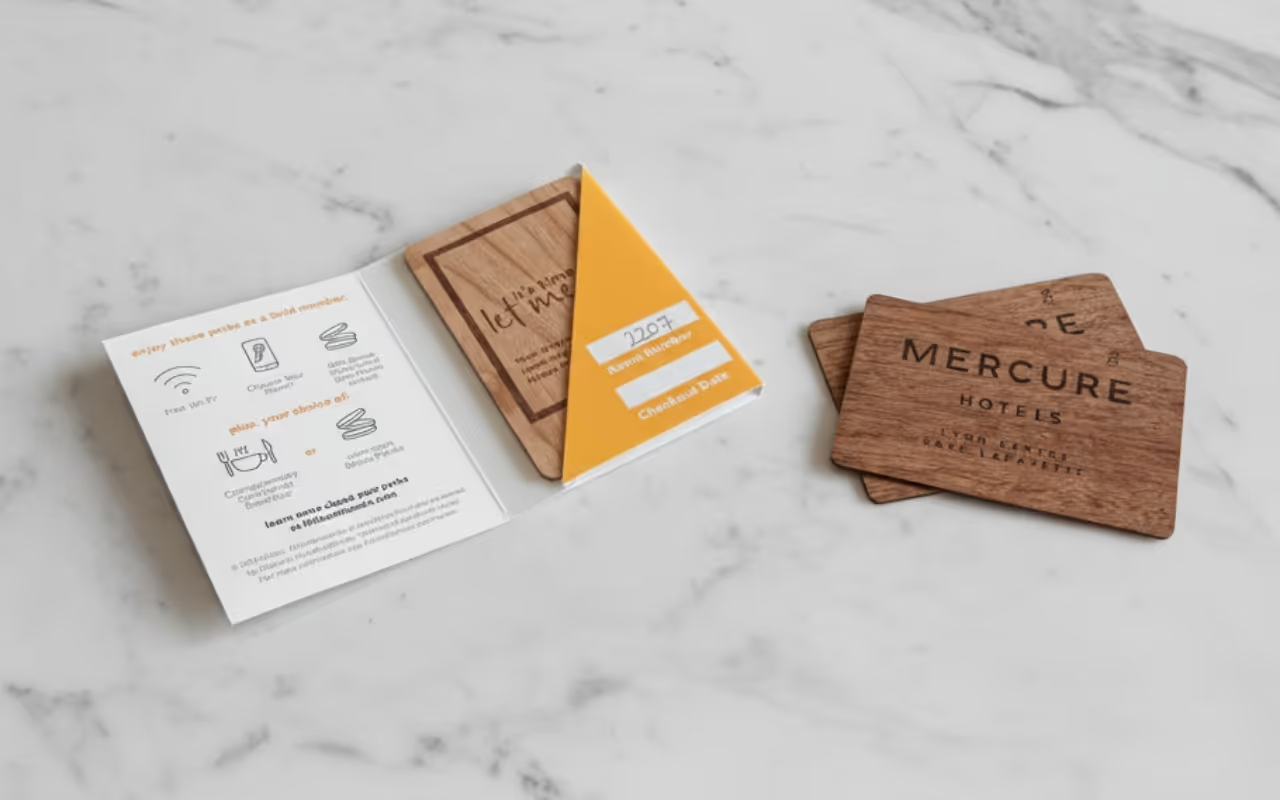
4. Human Roles Are Redefined Around Empowerment, Not Replacement
Technology is not eliminating people from hotels; it is reshaping how they work. Routine administrative tasks are increasingly automated, allowing staff to focus on empathy, service recovery, and complex guest situations. Cross-training and multi-skilling are becoming common, creating teams that are more capable, more autonomous, and more engaged.
5. Digital and Contactless Guest Journeys Become the Norm
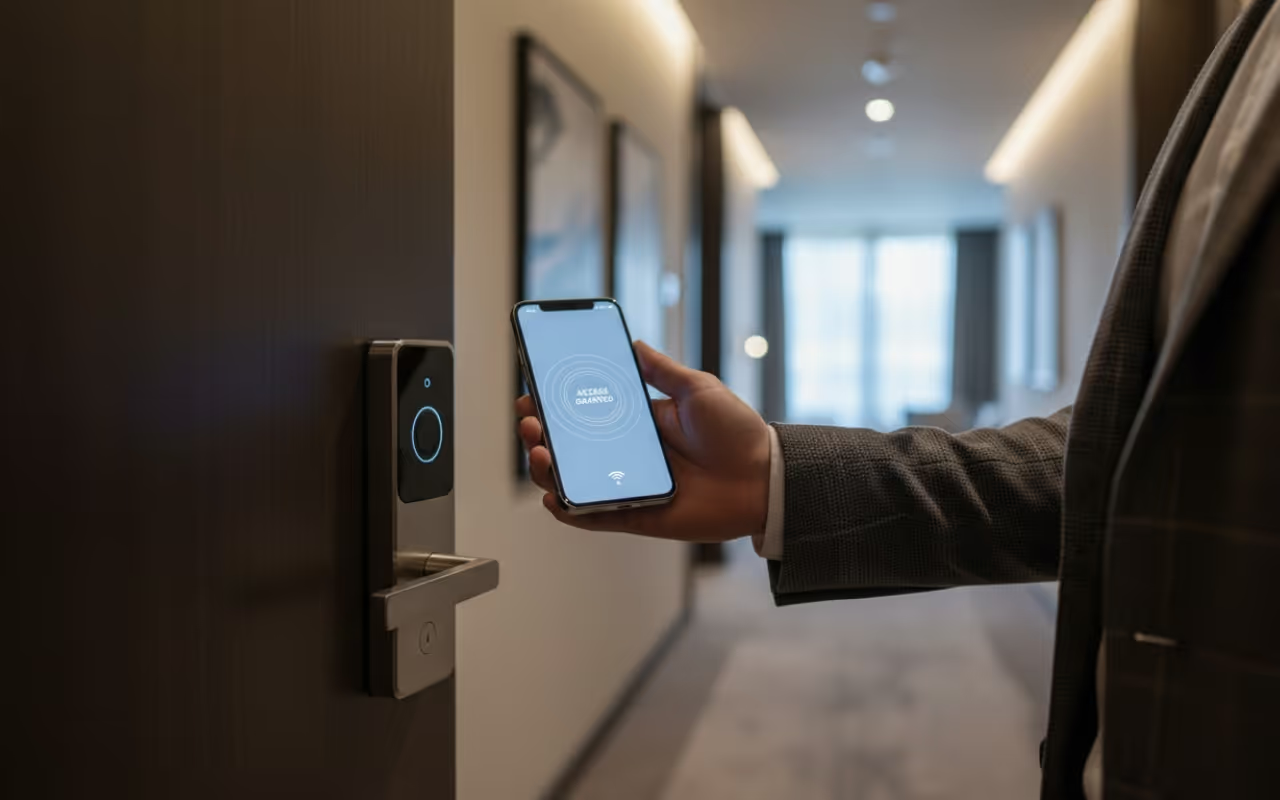
Mobile check-in, digital keys, and app-based communication have shifted from nice-to-have features to baseline expectations. These tools reduce lobby congestion, eliminate paperwork, and provide guests with greater control over their stay. They also create structured digital records of requests and issues, which improves accountability and operational clarity across departments.
6. Smart Buildings and IoT Prevent Failures Before They Happen
Hotels are increasingly equipped with sensors that monitor HVAC systems, elevators, lighting, and room occupancy in real time. These systems allow engineering teams to identify problems before they become guest-visible breakdowns. Predictive maintenance lowers downtime, protects guest satisfaction, and reduces the cost impact of large reactive repairs.
7. Revenue Management Shifts to Real-Time Intelligence
The era of relying mainly on historical pricing patterns is ending. Hotels are now using tools that combine booking pace, competitor moves, local event data, and demand signals to refine pricing decisions continuously. In a structurally volatile travel market, this level of agility is essential to protect rate integrity while still capturing opportunity.
8. Direct Booking Ecosystems Strengthen Commercial Control
Hotels are redesigning their commercial strategies to grow direct relationships with guests. Loyalty programs, personalized offers, and owned digital channels are being prioritized to reduce long-term reliance on online travel agencies. OTAs remain important for discovery, but repeat business is increasingly recaptured through brand-controlled platforms where data and economics are stronger.
9. Wellness Becomes Central to How Hotels Design Experiences
Wellbeing has shifted from being a stand-alone facility to an organizing principle for the entire stay. Guests are seeking environments that promote rest, mental clarity, nature connection, nutrition, and movement. Hotels that embed these ideas into room design, F&B programming, and service culture are seeing longer stays and stronger emotional loyalty, especially in premium segments.

10. Premiumization of Travel: Luxury as the Growth Engine
The widening gap between hotel segments reflects the premiumisation of travel. Luxury properties are driving growth as affluent travellers seek exclusivity, personalisation, and emotionally resonant experiences, not just better rooms. As travel becomes a form of status expression, these guests are willing to pay for privacy, curation, and distinction, giving luxury hotels stronger pricing power and resilience. This divide is set to widen as operators invest beyond traditional notions of luxury.

By 2026, hotel operations are becoming more disciplined, data-driven, and intentional. Technology is embedded within the operating model, teams are being enabled rather than replaced, and the market is increasingly separating adaptable operators from the rest.
For hotel leaders, success is no longer about chasing every trend, but about building systems and experiences that flex with demand, protect margins, and deepen loyalty. Those who balance intelligence, resilience, and genuine hospitality will define the next phase of hotel operations.
Featured posts

次の生産性向上は、ホテルのテクノロジーシステム間でまだ残っている手作業をなくすことかもしれません。
ホテルで最もコストのかかるテクノロジー問題は、システムが機能しないことではないかもしれません。それを回避しなければならないのは従業員かもしれません。
ホテルは何年もかけて、ハウスキーピングやメンテナンスからゲストのリクエストや部屋のステータスまで、すべてをデジタル化してきましたが、これらのシステムが常に通信しているわけではありません。従業員は今でも、電話をかけたり、メッセージを送ったり、情報を探したりして仕事をこなすのに時間を費やすことができます。
そのため、ホテルオーナーにとっては、業務を連携させるために必要な人件費という隠れたコストが生じます。オペレーターがサービスを犠牲にすることなくコストを管理しなければならないというプレッシャーにさらされていると、ほんの少しの不必要なコミュニケーションや手動による調整でも、何百人もの従業員と何千もの日常業務をこなすことになります。
ホテルが生産性に重点を置くにつれて、この問題はますます深刻になっています。 Hoteldata.comの2026年第1四半期人件費レポート 米国のホテルでは、占有部屋あたりの時間を前年比で 2.3% 削減した一方で、占有部屋あたりの人件費は 1.8% 増加したことが判明しました。ハウスキーピングの生産性も向上し、占有部屋あたりのルームアテンダント時間が 4.3% 減少しました。
ホテルはすでに、従業員をより効率的に配置する方法を模索しています。次の機会は、仕事の調整によってまだどれだけの労力が消費されているかを調べることかもしれません。
仕事の合間の仕事
ホテルでの日常的なやりとりを考えてみましょう。ゲストがフロントデスクに電話をするのは、部屋の中の何かがおかしいからです。従業員がリクエストを受け取り、どの部署が対応すべきかを決定します。エンジニアリング部門の担当者がリクエストを受け取り、誰が対応可能かを判断して対応します。その後、フロントデスクがゲストに最新情報を伝えている間に、問題が解決されたことを誰かが確認する必要があるかもしれません。
修復には数分しかかかりません。それを取り巻く調整にはかなり時間がかかることがあります。
ハウスキーピングでも同じダイナミクスが発揮されます。ルームアテンダントが部屋の点検中にメンテナンスの問題を発見しても、その情報をエンジニアリング部門に伝え、作業を割り当てて完了させ、ルームの状態を運用の他の場所に正確に反映させる必要があります。
これらは必ずしも個々の従業員の失敗ではありません。多くの場合、それらはワークフローの失敗です。
Deloitte によると、調査対象のホテルの 45% が、テクノロジーとデータが断片化されているため、顧客と業務の全体像を一元的に把握できないと回答しています。約 3 分の 1 が、既存のテクノロジースタックとの統合を懸念事項として挙げています。
システムが効果的に通信しなければ、従業員はシステム間のつながりになります。これにより、いわゆる「目に見えない人件費」が生じます。つまり、情報を業務のある部分から別の部分に移動させるために必要な電話、メッセージ、フォローアップ、手動による更新などです。
より多くのテクノロジーが必ずしも答えではない
だからといって、ホテルが単にテクノロジーをもっと購入する必要があるわけではありません。すでに断片化されている環境に別のアプリケーションを追加しても、従業員がすでに使用しているシステムと通信しなければ、さらに複雑さが増す可能性があります。
より重要な問題は、テクノロジーが業務をつなぐかどうかです。
ゲストリクエストは自動的に適切な従業員に届きますか?ハウスキーピングによって特定されたメンテナンスの問題を、エンジニアリングワークフローに直接組み込むことはできますか?同じ情報を 2 回入力しなくても、部屋のステータスをシステム間で移動できますか?
ホテルがスタッフの生産性と業務パフォーマンスを向上させる能力に基づいてテクノロジーを評価するにつれて、これらの質問はますます重要になっています。
オペレーションの接続
FCS Solutionsは何十年もの間、ホテル運営の連携に注力してきました。このホスピタリティ・テクノロジー企業には40年以上の業界経験があり、70か国以上で2,800以上の施設が同社のテクノロジーを使用していると述べています。同社の FCS1 プラットフォームは、ハウスキーピング、メンテナンス、ゲストサービス、インシデント管理を、共通の運用環境で連携させます。
FCSによると、ゲストのリクエストは自動的にルーティングされ、追跡され、エスカレーションされ、ハウスキーピングによって特定されたメンテナンスの問題はメンテナンスワークフローに直接移行できるという。マネージャーは、個々の部署に連絡して最新情報を求めなくても、何が起こっているかを確認できます。
また、このプラットフォームは、施設管理システムやサードパーティソリューションなどの既存のホテルテクノロジーと統合するように設計されているため、手作業によるデータ入力を減らすことができます。
FCS の報告によると、ホテルでは FCS1 を使用してタスクの応答時間を最大 40% 短縮し、ハウスキーピングタスクの効率を 25% から 30% 向上させることができます。これらは独立した業界ベンチマークというよりは企業が報告した数値ですが、接続されたワークフローがもたらす生産性の機会を示しています。
ホテルの顧客は同様の言葉で特典を説明しています。ローゼンホテルズ&リゾーツのゲストコンタクト&レベニューマネジメント担当バイスプレジデントであるジェニファー・ライス・パーマー氏は、FCS1はゲストのリクエストとメンテナンスタスクをより正確に管理するのに役立つと述べています。カリブ・ロイヤル・オーランドのホテルマネージャーであるフィル・クリンケンバーグ氏は、このプラットフォームのおかげでハウスキーピング、エンジニアリング、フロントオフィス間の効率と部門間のコミュニケーションが改善されたと述べています。
共通点は、従業員が業務の別々の部分をつなぐ役割を果たす必要がなくなったときに何が起こるかということです。
リターンの測定
所有者は、システムのコストと機能だけに焦点を当てるのではなく、「従業員の作業時間をどれだけ削減できるか」と尋ねることができます。電話やフォローアップの件数はどのくらい減りますか?ゲストからのリクエストは、それを解決できる従業員にどれくらい早く届きますか?部屋が汚れている状態から検査済みで空いている部屋にどれだけ早く移動できるか?
これらの節約額は個人的には小さいように思えるかもしれませんが、ホテルの運営は繰り返しの上に成り立っています。1 つのタスクで節約できる数分は、部門、施設、そして最終的にはポートフォリオ全体で掛け合わせると時間になります。
ホテルは労働生産性を向上させることができることを実証しました。次の機会は、テクノロジーによって部門間の不必要なコミュニケーションや手作業による調整が排除されれば、従業員の生産性がどれだけ向上するかを判断することです。
なぜなら、分断されたホテル運営の隠れたコストは、必ずしもテクノロジーそのものではないからです。それを回避するのに必要なのは人件費です。
著者について
ロブ・シュナイダーはテキサス州を拠点に活動するフリーランスのホテル投資ジャーナリストで、最近では「ホスピタリティ・インベスター」、「ホテル・マネジメント」、「ラグジュアリー・トラベル・アドバイザー」、「スキフト」などに作品が掲載されています。それ以前は、グローバルなホテル投資とホスピタリティ不動産セクターに焦点を当てたデジタルB2Bメディアプラットフォーム、ホテル・インベストメント・トゥデイのマネージング・エディターを務めていました。また、以前はダラス・ビジネス・ジャーナルやダラス・モーニング・ニュースでも働いていました。
この記事はホスピタリティネットにも掲載されています。記事を見る ここに。
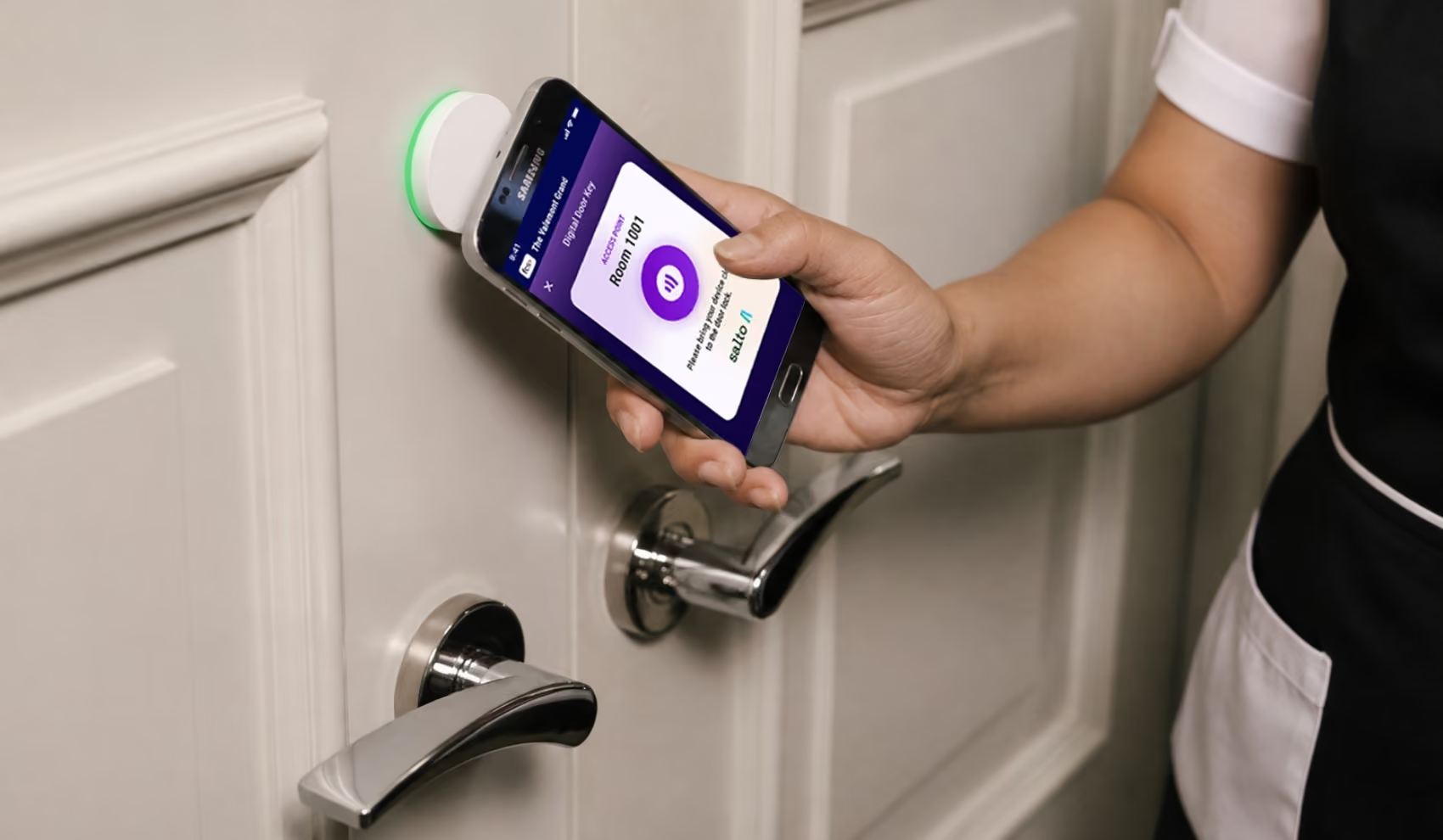
Equips housekeeping staff with secure mobile access, eliminating lost keys and access delays
FCS Solutions integrates its FCS1 platform with Salto's smart access control, letting room attendants unlock assigned guest rooms via mobile app and replacing master keys with a digital audit trail.
Singapore, 11 Aug 2026 - FCS Solutions, a cloud-native hospitality operations technology provider, today announced its integration with Salto, a global leader in smart access control solutions. The integration connects FCS1 Hospitality Operations Platform with the Salto Space smart access control platform, enabling hotels to digitize housekeeping operations through secure, keyless room access, enhancing hotel security, operational efficiency, and accountability.
With the integration, Room Attendants can unlock assigned guest rooms directly from the FCS1 mobile application after a Cleaning Order (CO) is initiated. Access is automatically authorised only for the assigned room and active task, ensuring staff can enter only the guest rooms they are scheduled to service. Replacing traditional master keys with secure digital access helps hotels maintain a clear audit trail of room access.
"Master keys are one of the last analog weak points in hotel security because they are difficult to track, easy to lose, and impossible to audit in real time," said Karen Bey, Vice President of Sales, FCS Solutions. "Our partnership with Salto closes that gap by giving hotel operators greater visibility and control over room access, with a clear record of who accessed which room and when."
"Access should be intelligent, secure and seamlessly integrated into daily hotel operations," said Winston Ng, Regional Manager, Strategic & Enterprise Accounts, Salto. "By partnering with FCS Solutions, we're extending that intelligence into one of the hospitality industry's most widely used operations workflows. A lock is no longer just a lock. It becomes part of a hotel's real-time operational ecosystem. Housekeeping teams gain faster, secure access, while operators benefit from the visibility, accountability, and audit trail that traditional master keys cannot provide.”
This collaboration reinforces FCS Solutions' commitment to an open hospitality platform connecting hotels with the partners and technologies that are shaping the future of hotel operations.
About FCS Solutions
FCS Solutions is a leading provider of hospitality technology, trusted by more than 2,800 properties across 71 countries to improve operational performance, staff productivity and guest satisfaction. Its flagship solution, FCS1, is a cloud-based hospitality operations platform that streamlines housekeeping, maintenance and guest services through intelligent automation, AI-powered capabilities, mobile workflows and real-time operational visibility. By connecting people, processes and technology on a single platform, FCS Solutions empowers hotels to operate more efficiently and deliver exceptional guest experiences.
CONNECT WITH FCS SOLUTIONS
WEBSITE | LINKEDIN | FACEBOOK | YOUTUBE
About Salto
Salto is a leading global access solutions provider, part of the SALTO WECOSYSTEM. We develop pioneering facility access, identity management and electronic locking technology that ensures seamless, reliable and secure experiences. Through close customer relationships and innovative solutions, our global team of experts create timeless and meaningful products that positively impact people and our planet.
CONNECT WITH SALTO SYSTEMS
In every era of hospitality, a single technology quietly transforms how hotels think, work, and connect with guests. The first Property Management Systems digitized reservations. Channel managers expanded reach. Mobile apps gave guests control at their fingertips. Now, a new frontier is emerging, driven by hotel business intelligence tools that go beyond automation. Artificial Intelligence is no longer just an assistant to humans. It is becoming a co-operator that thinks, adapts, and acts alongside them. We are entering the age of cognitive hospitality.
From Reactive Operations to Predictive Intelligence
Today, most hotels still operate reactively, responding to guest requests, occupancy changes, or service gaps. But the next evolution will be guided by hotel business intelligence software that predicts needs before they even appear. Imagine your property’s digital systems like PMS, housekeeping, maintenance, CRM, all feeding data into one unified intelligence. It can recognize early check-in patterns, forecast service bottlenecks, and allocate staff automatically based on what’s happening in real time. In this near future, a housekeeping system doesn’t just schedule cleaning rounds; it senses when rooms are ready through motion, temperature, and guest device signals. Maintenance no longer waits for a service ticket. It detects unusual vibration patterns in the HVAC system and creates a task before anyone calls. The hotel of tomorrow will not just run faster. It will run smarter, continuously learning from its own rhythm and data patterns.

Where Conversations Become Commerce
The guest journey is turning into a continuous conversation. Instead of scrolling through websites or apps, travelers will simply tell their digital assistants what they want, and those assistants will handle everything.
“Find me a resort in Kyoto with private onsen villas, a mountain view, and electric vehicle pickup.”
“Book me a three-night stay in Paris near the Louvre with a large workspace and late checkout.”
In seconds, the system compares live inventories, reviews, and prices, completes the booking, processes payment, and even pre-selects preferred amenities. Guests may never touch an OTA or open a browser again. The entire transaction could happen through a single exchange between two digital assistants, the traveler’s and your hotel’s AI-powered system. This is already becoming real. Stripe’s Agentic Commerce allows AI agents to handle payments securely, while conversational systems like PolyAI are learning to speak the language of hospitality naturally and intelligently. For hotels, the next booking engine might not be a webpage. It could be a smart hotel system that knows when a traveler is ready to book.
The Rebirth of the Concierge
As hotel business intelligence tools and automation handle routine work, the human role will shift from transactional to emotional. Front-desk teams will no longer be valued for speed, but for empathy, and for noticing small cues, handling recovery moments, and adding human warmth where technology cannot. The AI concierge will take care of confirmations, reminders, and upgrades. The human concierge will become the storyteller, curating experiences that make every stay memorable. We will no longer train staff to follow steps. We will train them to design moments.
Data: The New Language of Hospitality
AI thrives on clarity, not just volume. In tomorrow’s hospitality landscape, your property’s visibility will depend on how well your data can be read, understood, and trusted by hotel business intelligence tools. Every room description, amenity tag, and review becomes a digital signal. Hotels that organize their data properly like linking services, locations, sustainability, and experience details, will appear more naturally in AI-powered searches and travel planning tools. Your ranking will not only live on a website anymore. It will be decided in a conversation between two intelligent systems that understand which hotel truly fits a traveler’s intent.

Hospitality Intelligence: Beyond Automation
Real transformation begins when technology becomes a collaborator rather than just a helper. This is where hospitality data intelligence takes center stage. AI and analytics will blend data, timing, and emotion into a learning system that helps your hotel:
- Predict occupancy and staffing needs before demand rises
- Detect guest emotions through voice and behavior in real time
- Adjust pricing dynamically based on market context and guest sentiment
- Recommend sustainability actions that improve efficiency and reduce waste
When every department, from housekeeping to CRM, becomes part of one connected network, the hotel evolves into a living system powered by hotel business intelligence software. It starts to feel the rhythm of its guests and respond with precision.
Redefining What It Means to Be Human in Hospitality
This future doesn’t remove the human touch in hospitality; it enhances it. Teams will have more time for empathy, creativity, and genuine connection, the parts of service that can’t be coded. Leaders such as General Managers and Directors of Operations will no longer just manage performance metrics. They will design intelligence itself, deciding how systems think and what values they optimize for. The real question for tomorrow’s hoteliers isn’t “How do we use AI?” but “How do we teach it to understand what makes hospitality human?” Imagine a stay where your hotel already knows you but still manages to surprise you. Your favorite cookie is waiting in the room. The temperature, pillow firmness, and music are just the way you like them.
The age of cognitive hospitality and hotel business intelligence is here. The question isn’t when it arrives. It’s whether your hotel is ready to think.



.png)


