Spotlight Interview: Karen Bey, Vice President, Global Sales at FCS Solutions


This interview first appeared on Hotel Technology News.
Karen Bey, Vice President of Global Sales & Channels at FCS Solutions, brings more than 25 years of hospitality and hotel technology experience to her role. After beginning her career in hotel operations, she held positions with MICROS-Fidelio and InterContinental Hotels Group, working across property technology, system implementations, hotel openings and technology standards throughout Asia Pacific. That combination of hotel-side and technology-provider experience has given her a practical understanding of how technology must work for the people using it every day.
In this Spotlight Interview, Bey discusses how hotel technology priorities are changing, the operational challenges hotels most often ask FCS Solutions to address and the thinking behind the browser-based FCS1 In-Room Guest Services platform. She also shares her perspective on digital self-service, connected workflows, automation and AI — and why technology should give hotel employees more time to deliver the personal service that remains at the heart of hospitality.
Could you begin by sharing a little about your professional journey and what led you to your current role as Vice President, Global Sales & Channels at FCS Solutions?
I have spent more than 25 years in hospitality and hospitality technology, and I have been fortunate to experience the industry from several different perspectives. I started in hotel operations before moving into hotel technology, including roles with MICROS-Fidelio and InterContinental Hotels Group, where I was involved in property technology, system implementations, hotel openings and technology standards across Asia Pacific. Today, at FCS Solutions, I bring that hotel-side experience into conversations with owners, operators, corporate teams and technology partners around the world.
Having been both an operator and a technology provider has shaped my approach. Technology is never just about the technology itself. It is about the people using it, the operational problem it solves and the value it ultimately creates for the hotel.
From your global perspective, how have hotel operators’ technology priorities changed over the past few years?
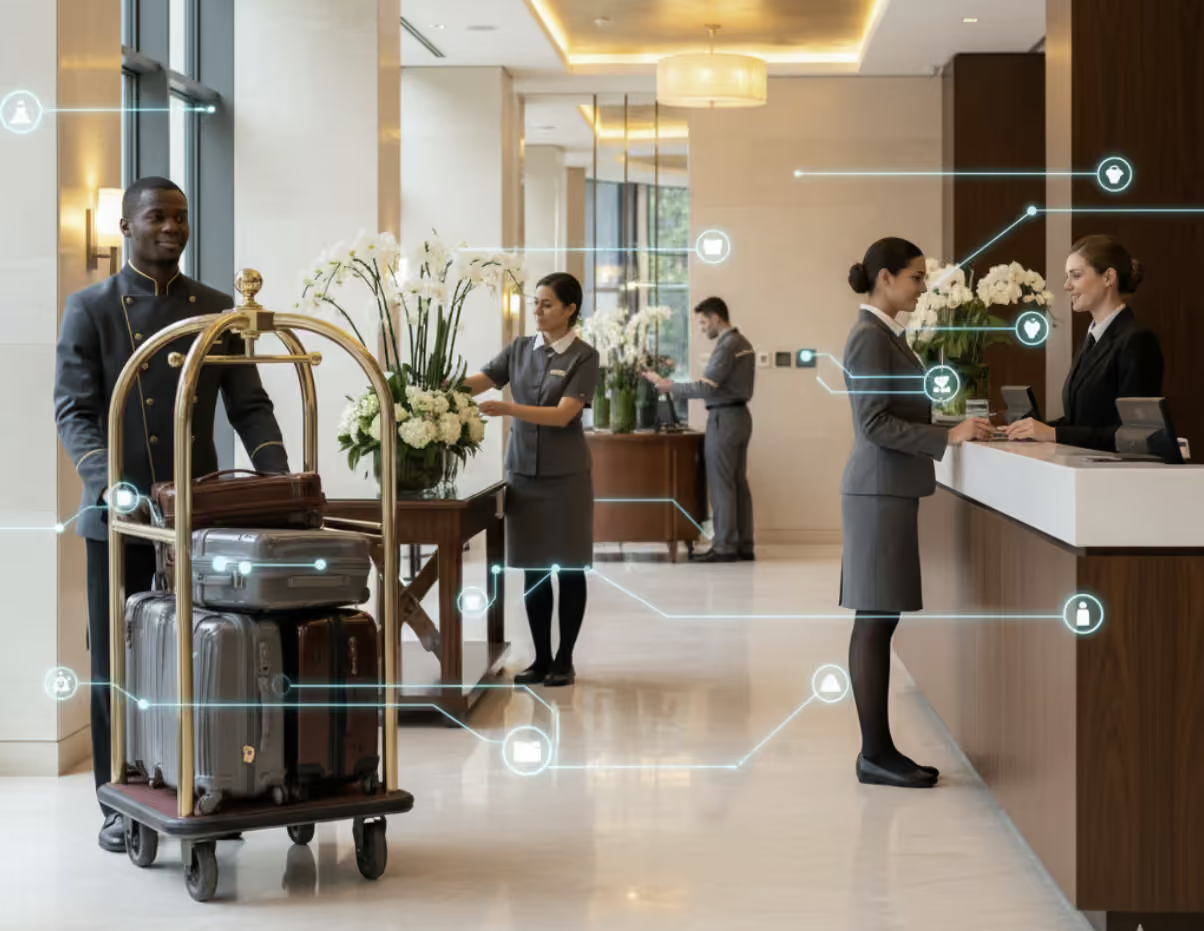
Hotels are becoming much more focused on operational outcomes rather than simply adding technology. For many years, hotels accumulated different systems to solve individual problems. The challenge is that staff can then find themselves moving between applications, communication channels and manual processes just to get their work done. Today, operators are asking much more practical questions: Can the technology connect departments? Can my teams use it easily on the move? Can management see what is happening across the operation? And can it help us deliver better service with the people we already have?
My experience working across very different markets has also shown me that there is no single technology model that fits every hotel. Understanding the local hospitality environment and how a hotel actually operates is critical i.e., adapting technology and partnerships to very different markets rather than assuming that what works in one geography can simply be replicated elsewhere.
What operational challenges are hotels most frequently asking FCS Solutions to help solve today?
A common issue is fragmentation. A guest request might come into one part of the hotel, while the person responsible for fulfilling it works in another department. Housekeeping has its workflows, engineering has another, and guest services may be managing requests through calls, messages or manual handoffs.
Hotels are therefore looking for better visibility and accountability across the entire operation: what needs to be done, who is responsible, whether it has been completed and how quickly the hotel responded. This becomes particularly important when hotels are operating 24 hours a day and teams are constantly balancing guest service, efficiency and commercial pressures.
FCS Solutions has been serving the hospitality industry for more than four decades. How has the company evolved while keeping pace with changing hotel and guest expectations?
FCS started more than four decades ago with Call Accounting and Voicemail solutions, addressing very specific operational needs within hotels. As hotel operations became more complex and guest expectations evolved, so did we—expanding our solutions to support more areas of the hotel operation.
Today, that evolution is reflected in FCS1, our unified, mobile-first, cloud-based platform that brings together key operational functions such as housekeeping, maintenance, guest services and incident management. What has remained consistent throughout is our focus on developing technology specifically for hotel operations.
What was the strategic thinking behind the development of FCS1 In-Room Guest Services, and what gap in the guest journey was the team aiming to address?
We saw a disconnect between the digital guest experience at the front and hotel operations behind it. Guests increasingly expect the convenience of using their own phones to request services, but digitizing the guest interface alone doesn’t necessarily solve the hotel’s operational problem. If the request still needs to be manually transferred to another team or system, you have simply moved the bottleneck.
The thinking behind FCS1 IRGS was therefore to connect the guest directly with the operational workflow. A guest can make a request digitally, and that request can flow into FCS1 Jobs for assignment, tracking and fulfilment. That connection between the guest-facing experience and the hotel’s back-of-house operation is the important part.
Why was a browser-based, QR-code experience chosen instead of requiring guests to download an app?
We wanted to remove as much friction as possible. For a hotel guest staying for a few nights, asking them to download an app, register and learn another interface can be a barrier. With a QR code and browser-based experience, the guest can access the hotel’s services using their own device without having to install anything. It also gives hotels a digital service channel that is easy for guests to access while still connecting into the hotel’s operational workflows.
FCS1 IRGS connects guest requests directly with hotel operations through FCS1 Jobs. How does that change the workflow compared with requests received by phone, messaging channels or manual handoffs?
The biggest difference is that the request becomes actionable immediately. Traditionally, a guest might call the front desk, someone writes down the request, calls another department and then has to follow up to see whether it was completed. Every handoff creates an opportunity for delay or information to be missed.
With IRGS and FCS1 Jobs, the request enters the operational workflow directly. It is routed to the appropriate team, assigned, tracked through completion and made visible to supervisors and management. It changes the process from a series of communications into a managed workflow.
Which guest services and request types are proving most valuable to digitize, and where do hotels typically see the quickest operational impact?
The strongest opportunities for digitization are frequent, routine guest requests that hotel teams handle repeatedly throughout the day. That can include requests for additional towels or mineral water, housekeeping services, maintenance assistance and other common guest-service requests.
These may appear to be simple tasks, but at scale they generate a significant amount of communication and coordination. Digitizing them reduces the number of manual steps required and allows hotel employees to concentrate on fulfilling the request rather than managing the communication around it.
How can hotels introduce digital self-service without making the guest experience feel impersonal or diminishing the role of staff?
Digital self-service should never be about removing hospitality. It should be about removing unnecessary friction. If a guest simply wants another towel, they may prefer to request it in seconds rather than wait on the telephone. But when a guest has a complicated issue, needs advice or wants a recommendation, the human interaction becomes much more important.
The role of technology is therefore to take care of routine transactions and give hotel teams more time for the interactions where their experience, empathy and judgement genuinely add value. That reflects my broader view that hotel technology should always be considered in terms of the people using it and the operational problem it solves.
What have you learned about guest adoption of mobile self-service across different age groups, regions and hotel segments?
One thing I have learned from working across different markets is that we should be careful about assuming every guest behaves the same way. Guest expectations differ by market, hotel segment, purpose of travel and individual preference. That is why digital self-service should provide choice rather than become the only channel.
The aim isn’t to force every guest into a digital journey. It is to give those who value speed and convenience an easy way to access services while maintaining traditional service channels for guests who prefer them. The same principle applies when entering new markets: you need to understand the local hospitality landscape and make the technology relevant to that environment.
How important are multilingual capabilities and accessibility in designing a digital guest-services experience for an international audience?
They are extremely important, particularly for hotels serving international guests. A digital guest service experience should be about convenience, giving guests an easy and intuitive way to access the services they need. Supporting multiple languages helps reduce communication barriers and allows guests to interact with the hotel more confidently. It is also one of the advantages of a digital interface: the experience can be adapted to different guest profiles and markets without changing the hotel’s underlying operational workflow.
FCS1 IRGS is described as customizable. How can a property adapt the experience to reflect its brand, service model and available amenities?
Every hotel operates differently, so IRGS is designed to allow properties to configure the guest-facing experience around the information, services and amenities they actually provide. That means hotels can determine what services are presented to guests and structure the experience to complement their own service model and brand. Importantly, the front-end experience remains connected to FCS1 behind the scenes. So while the guest sees a simple, hotel-specific service experience, the hotel retains the operational workflow needed to manage those requests.
What integrations are most important for creating a seamless flow from a guest request to assignment, fulfillment and follow-up?
The objective should always be to reduce unnecessary handoffs between systems and departments. With FCS1, the important connection is between the guest-facing request and the operational teams responsible for delivering it. IRGS connects into FCS1 Jobs, while the broader FCS1 platform connects workflows across areas including housekeeping and maintenance. The value isn’t the number of integrations a hotel has. It’s whether information moves through the operation on its own, without staff re-keying it or manually relaying it between systems.
How does the platform help prevent missed requests, improve accountability and give managers clearer visibility into service performance?
Once a request enters a digital workflow, it’s logged, timestamped and assigned. The hotel can see that the request was made, where it has been assigned, its status and whether it has been completed. That provides accountability for operational teams while also giving supervisors and managers a clearer picture of what is happening across the hotel.
Through the FCS1 dashboard, managers have a real-time view of operational activity across departments, allowing them to quickly see what is outstanding, what is in progress and where attention may be needed. This gives management greater visibility without having to rely on manual updates from individual teams. Over time, that information can also help management identify recurring issues, service bottlenecks and areas where processes could be improved.
Which metrics should hotel leaders track to determine whether a digital guest-services platform is improving efficiency and guest satisfaction?
I would focus on metrics that connect technology to actual operational performance. Response and completion times are important, but hotels should also look at the volume and types of requests, overdue or escalated tasks, recurring service issues and workload patterns across departments. Ultimately, the question should be: Did we respond faster? Did fewer requests get missed? Did our teams work more efficiently? How did we fare in the surveys? And did we create a better experience for the guest?
Can you share an example of how a hotel has improved service delivery or staff productivity using connected operational workflows?
Rather than focus on one property, a common example we see is the removal of manual coordination around everyday guest requests. Imagine a guest requesting an additional amenity. In a traditional workflow, that could involve a phone call to the front desk, a manual message to another department and a subsequent call to confirm completion.
In a connected workflow, the guest’s digital request can become an operational task, be routed to the relevant team and tracked through completion. The productivity gain comes from removing those unnecessary steps while creating visibility throughout the process.
With hotels still facing staffing pressure, where can automation make the greatest difference, and which parts of hospitality should always remain distinctly human?
Automation makes the greatest impact in repetitive coordination—routing tasks, updating statuses, sending notifications, tracking outstanding work and making operational information visible. Those activities are necessary, but they don’t always require the judgement or personal interaction of an experienced hotel employee.
Hospitality itself, however, remains human. Understanding why a guest is unhappy, recognising a special occasion, e.g., an anniversary, making a thoughtful recommendation or knowing when to go beyond the standard procedure. Those are human qualities. Technology should give hotel teams more capacity for those moments, not replace them.
How is FCS Solutions approaching AI within hotel operations, and where do you see the most practical near-term applications?
Our approach is very practical. AI has to solve a genuine operational problem rather than be introduced simply because it is AI. Hotel operations generate a large amount of information through requests, tasks, incidents, maintenance activity and service patterns. Over time, AI can help hotels make better use of that operational data—identifying patterns, surfacing priorities and helping teams make faster, better-informed decisions. For us, the important principle is that AI should support hotel employees and management rather than create another disconnected layer of technology.
What should hotel leaders consider when evaluating the security, privacy and scalability of guest-facing technology?
Hotel leaders should look beyond the guest interface and understand the technology architecture behind it. Data encryption, secure authentication, access controls and data privacy are important considerations, along with how securely the platform exchanges information with other hotel systems.
It is also important to consider how guest data is collected, stored and accessed, ensuring that only the information necessary to deliver the service is captured. From a scalability perspective, the technology should be able to support growing volumes of users, requests and properties while maintaining consistent performance and security.
Hotels should also consider the company behind the technology. Having experienced technical teams, 24/7 local support and people who understand not only the solution but how it fits within the hotel’s wider technology stack can make a significant difference—particularly when issues need to be resolved quickly.
Looking ahead, how do you expect digital guest services and hotel operations platforms to evolve, and what is next on the roadmap for FCS1 IRGS and the broader FCS1 platform?
I think the distinction between “guest technology” and “operational technology” will increasingly disappear. A guest doesn’t think about which hotel department or system is responsible for their request. They simply expect the hotel to respond, and fast. The technology behind that experience therefore needs to connect the guest journey directly with the people and workflows responsible for delivering the service.
For IRGS, the opportunity is to continue developing that connection between the digital guest journey and the broader FCS1 operational platform, making the experience increasingly seamless for both the guest and the hotel team. The direction we are taking with FCS1 is creating a more connected environment where guest services and hotel operations work together rather than as separate technology layers.
Featured posts

O próximo ganho de produtividade pode vir da eliminação do trabalho manual que ainda existe entre os sistemas de tecnologia hoteleira.
O problema tecnológico mais caro em um hotel pode não ser um sistema que não funciona. Podem ser os funcionários que precisam contornar isso.
Os hotéis passaram anos digitalizando tudo, desde o serviço de limpeza e manutenção até as solicitações dos hóspedes e o status dos quartos, mas esses sistemas nem sempre se comunicam. Os funcionários ainda podem passar o tempo fazendo ligações, enviando mensagens e procurando informações para realizar o trabalho.
Isso cria um custo oculto para os proprietários de hotéis: a mão de obra necessária para conectar as operações. Quando os operadores estão sob pressão para controlar os custos sem comprometer o serviço, até mesmo pequenas quantidades desnecessárias de comunicação e coordenação manual podem se somar a centenas de funcionários e milhares de tarefas diárias.
O problema está crescendo à medida que os hotéis se concentram na produtividade. Relatório de custos trabalhistas do primeiro trimestre de 2026 da HotelData.com descobriram que os hotéis dos EUA reduziram as horas por quarto ocupado em 2,3% ano após ano, enquanto o custo de mão de obra por quarto ocupado aumentou 1,8%. A produtividade do serviço de limpeza também melhorou, com os minutos de atendente de quarto por quarto ocupado caindo 4,3%.
Os hotéis já estão encontrando maneiras de implantar suas forças de trabalho com mais eficiência. A próxima oportunidade pode ser examinar quanto trabalho ainda é consumido pela coordenação do trabalho.
O trabalho entre o trabalho
Considere uma interação rotineira com o hotel. Um hóspede liga para a recepção porque algo no quarto não está funcionando. Um funcionário aceita a solicitação e determina qual departamento deve lidar com ela. Alguém da engenharia recebe a solicitação, determina quem está disponível e responde. Posteriormente, talvez alguém precise confirmar que o problema foi resolvido enquanto a recepção atualiza o hóspede.
O reparo pode levar apenas alguns minutos. A coordenação em torno dela pode levar muito mais tempo.
A mesma dinâmica ocorre nas tarefas domésticas. Um atendente de sala descobre um problema de manutenção durante a manutenção de uma sala, mas as informações devem chegar à engenharia, o trabalho deve ser atribuído e concluído e o status da sala deve ser refletido com precisão em outras partes da operação.
Essas não são necessariamente falhas de funcionários individuais. Freqüentemente, são falhas no fluxo de trabalho.
A Deloitte descobriu que 45% dos hotéis pesquisados disseram que a tecnologia e os dados fragmentados os impediram de obter uma visão única e completa dos clientes e das operações. Aproximadamente um terço citou a integração com sua pilha de tecnologia existente como uma preocupação.
Quando os sistemas não se comunicam de forma eficaz, os funcionários se tornam a conexão entre eles. Isso cria o que poderia ser chamado de imposto de mão de obra invisível: as chamadas, mensagens, acompanhamentos e atualizações manuais necessárias para mover as informações de uma parte da operação para outra.
Mais tecnologia não é necessariamente a resposta
Isso não significa que os hotéis simplesmente precisem comprar mais tecnologia. Adicionar outro aplicativo a um ambiente já fragmentado pode criar outra camada de complexidade se ele não se comunicar com os sistemas que os funcionários já usam.
A questão mais importante é se a tecnologia conecta a operação.
Uma solicitação de hóspede pode chegar automaticamente ao funcionário adequado? Um problema de manutenção identificado pelo serviço de limpeza pode ser transferido diretamente para o fluxo de trabalho de engenharia? O status da sala pode se mover entre sistemas sem exigir que alguém insira as mesmas informações duas vezes?
Essas questões são cada vez mais importantes à medida que os hotéis avaliam a tecnologia com base em sua capacidade de melhorar a produtividade da equipe e o desempenho operacional.
Conectando a operação
A FCS Solutions se concentrou em conectar as operações hoteleiras por décadas. A empresa de tecnologia hoteleira tem mais de 40 anos de experiência no setor e afirma que mais de 2.800 propriedades usam sua tecnologia em mais de 70 países. Sua plataforma FCS1 conecta limpeza, manutenção, serviços aos hóspedes e gerenciamento de incidentes em um ambiente operacional compartilhado.
A FCS afirma que as solicitações dos hóspedes podem ser encaminhadas, rastreadas e escaladas automaticamente, enquanto os problemas de manutenção identificados pelo serviço de limpeza podem passar diretamente para o fluxo de trabalho de manutenção. Os gerentes podem ver o que está acontecendo sem precisar ligar para departamentos individuais para obter atualizações.
A plataforma também foi projetada para se integrar à tecnologia hoteleira existente, incluindo sistemas de gerenciamento de propriedades e soluções de terceiros, reduzindo a entrada manual de dados.
O FCS relata que os hotéis que usam o FCS1 podem alcançar tempos de resposta de tarefas até 40% mais rápidos e um aumento de 25% a 30% na eficiência das tarefas de limpeza. Esses são números relatados pela empresa, em vez de benchmarks independentes do setor, mas ilustram a oportunidade de produtividade que fluxos de trabalho conectados podem criar.
Os clientes do hotel descrevem o benefício em termos semelhantes. Jennifer Rice Palmer, vice-presidente de gerenciamento de receita e contato com hóspedes da RosenHotels & Resorts, diz que o FCS1 ajuda a gerenciar as solicitações dos hóspedes e as tarefas de manutenção com mais precisão. No Caribe Royale Orlando, Phil Klinkenberg, gerente do hotel, diz que a plataforma melhorou a eficiência e a comunicação entre departamentos entre tarefas domésticas, engenharia e front office.
O ponto comum é o que acontece quando os funcionários não precisam mais servir como conexão entre partes separadas da operação.
Medindo o retorno
Em vez de se concentrar apenas nos custos e nos recursos do sistema, os proprietários podem perguntar: Quantos minutos dos funcionários isso elimina? Quantas ligações e acompanhamentos desaparecem? Com que rapidez uma solicitação de hóspede chega ao funcionário que pode resolvê-la? Com que rapidez uma sala pode passar de suja para inspecionada e disponível?
Essas economias podem parecer pequenas individualmente, mas as operações hoteleiras são baseadas na repetição. Alguns minutos economizados em uma tarefa se transformam em horas quando multiplicados por um departamento, uma propriedade e, eventualmente, um portfólio.
Os hotéis demonstraram que podem melhorar a produtividade do trabalho. A próxima oportunidade é determinar o quanto mais produtiva essa força de trabalho poderia se tornar se a tecnologia eliminasse a comunicação desnecessária e a coordenação manual entre os departamentos.
Porque o custo oculto das operações hoteleiras desconectadas não é necessariamente a tecnologia em si. É a mão de obra necessária para contornar isso.
Sobre o autor
Rob Schneider é jornalista freelancer de investimentos em hotéis com sede no Texas, cujo trabalho apareceu recentemente na Hospitality Investor, Hotel Management, Luxury Travel Advisor e Skift. Anteriormente, ele atuou como editor-chefe da Hotel InvestmentToday, uma plataforma de mídia digital B2B focada no setor imobiliário global de investimento em hotéis e hospitalidade. Ele também trabalhou anteriormente no DallasBusiness Journal e no The Dallas Morning News.
Este artigo também foi publicado na HospitalityNet. Veja o artigo aqui.
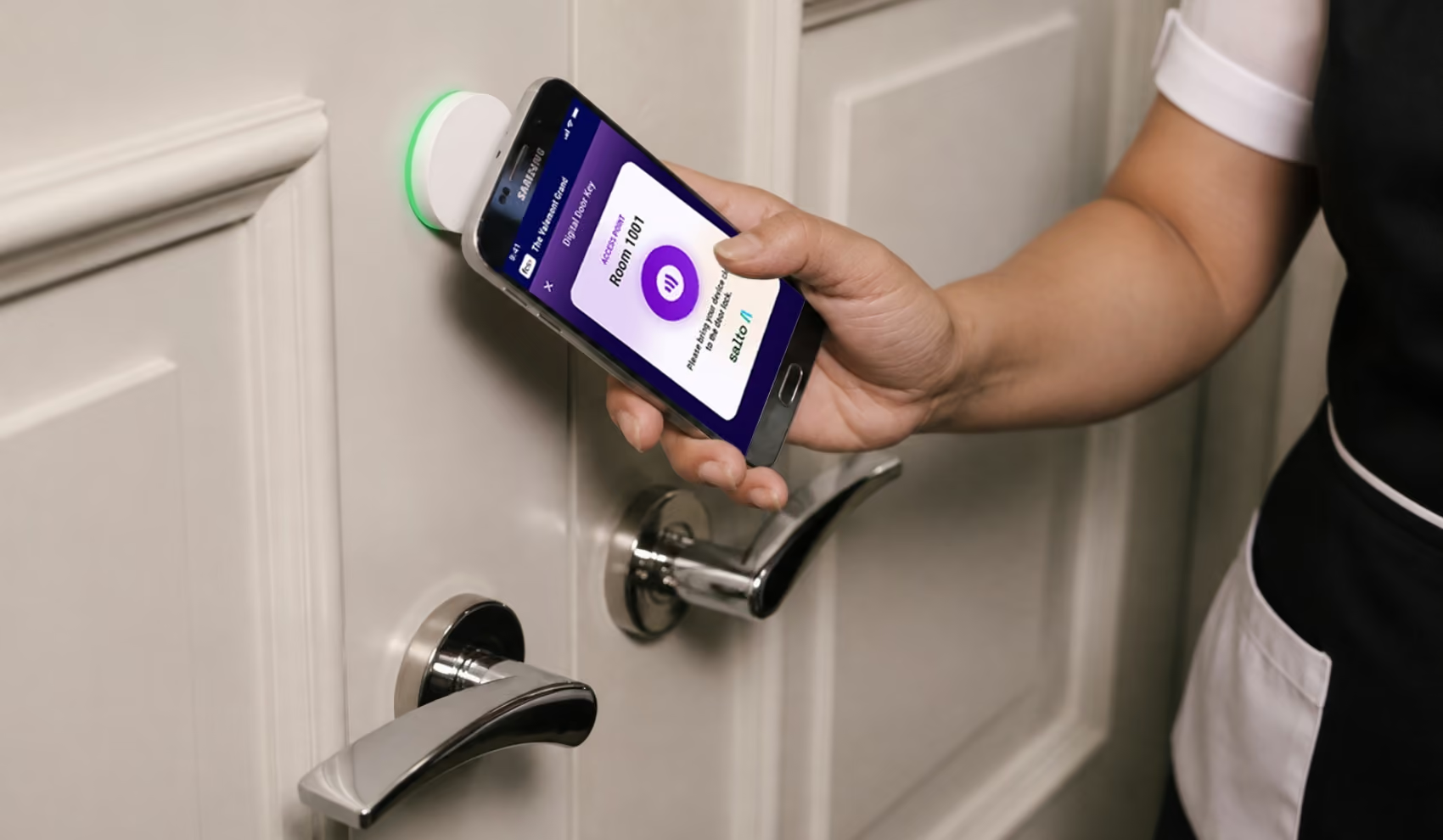
Equipa a equipe de limpeza com acesso móvel seguro, eliminando chaves perdidas e atrasos no acesso
A FCS Solutions integra sua plataforma FCS1 ao controle de acesso inteligente da Salto, permitindo que os atendentes de quarto desbloqueiem os quartos designados por meio de um aplicativo móvel e substituindo as chaves mestras por uma trilha de auditoria digital.
Cingapura, 11 de agosto de 2026 - Soluções FCS, fornecedora de tecnologia de operações hoteleiras nativa da nuvem, anunciou hoje sua integração com a Salto, líder global em soluções inteligentes de controle de acesso. A integração conecta FCS1 Plataforma de operações de hospitalidade com o Salto Plataforma de controle de acesso inteligente Space, permitindo que os hotéis digitalizem as operações de limpeza por meio de acesso seguro e sem chave ao quarto, aprimorando a segurança, a eficiência operacional e a responsabilidade do hotel.
Com a integração, os atendentes de quarto podem desbloquear os quartos atribuídos diretamente do aplicativo móvel FCS1 após um Limpeza O pedido (CO) é iniciado. O acesso é autorizado automaticamente somente para a sala atribuída e a tarefa ativa, garantindo que a equipe possa entrar somente nos quartos que estão programados para atender. Substituir as chaves mestras tradicionais por acesso digital seguro ajuda os hotéis a manter uma trilha de auditoria clara do acesso aos quartos.
“As chaves mestras são um dos últimos pontos fracos analógicos na segurança de hotéis porque são difíceis de rastrear, fáceis de perder e impossíveis de auditar em tempo real”, disse Karen Bey, vice-presidente de vendas da FCS Solutions. “Nossa parceria com a Salto fecha essa lacuna ao oferecer aos operadores hoteleiros maior visibilidade e controle sobre o acesso aos quartos, com um registro claro de quem acessou qual quarto e quando.”
“O acesso deve ser inteligente, seguro e perfeitamente integrado às operações diárias do hotel”, disse Winston Ng, gerente regional de contas estratégicas e corporativas, Salto. “Ao fazer uma parceria com a FCS Solutions, estamos estendendo essa inteligência para um dos fluxos de trabalho de operações mais usados no setor de hospitalidade. Uma fechadura não é mais apenas uma fechadura. Ele se torna parte do ecossistema operacional em tempo real de um hotel. As equipes de limpeza obtêm acesso mais rápido e seguro, enquanto os operadores se beneficiam da visibilidade, responsabilidade e trilha de auditoria que as chaves mestras tradicionais não podem oferecer.”
Essa colaboração reforça o compromisso da FCS Solutions com uma plataforma de hospitalidade aberta conectando hotéis a parceiros e tecnologias que estão moldando o futuro das operações hoteleiras.
Sobre a FCS Solutions
A FCS Solutions é uma fornecedora líder de tecnologia hoteleira, com a confiança de mais de 2.800 propriedades em 71 países para melhorar o desempenho operacional, a produtividade da equipe e a satisfação dos hóspedes. Sua principal solução, a FCS1, é uma plataforma de operações de hospitalidade baseada em nuvem que simplifica a limpeza, a manutenção e os serviços aos hóspedes por meio de automação inteligente, recursos baseados em IA, fluxos de trabalho móveis e visibilidade operacional em tempo real. Ao conectar pessoas, processos e tecnologia em uma única plataforma, a FCS Solutions capacita os hotéis a operar com mais eficiência e oferecer experiências excepcionais aos hóspedes.
CONECTE-SE COM SOLUÇÕES FCS
SITE | LINKEDIN | FACEBOOK | YOUTUBE
Sobre Salto
A Salto é uma provedora líder global de soluções de acesso, parte da ECOSSISTEMA DE SALTO. Desenvolvemos tecnologia pioneira de acesso às instalações, gerenciamento de identidade e bloqueio eletrônico que garantem experiências perfeitas, confiáveis e seguras. Por meio de relacionamentos estreitos com clientes e soluções inovadoras, nossa equipe global de especialistas cria produtos atemporais e significativos que impactam positivamente as pessoas e nosso planeta.
CONECTE-SE COM SISTEMAS DE SALTO
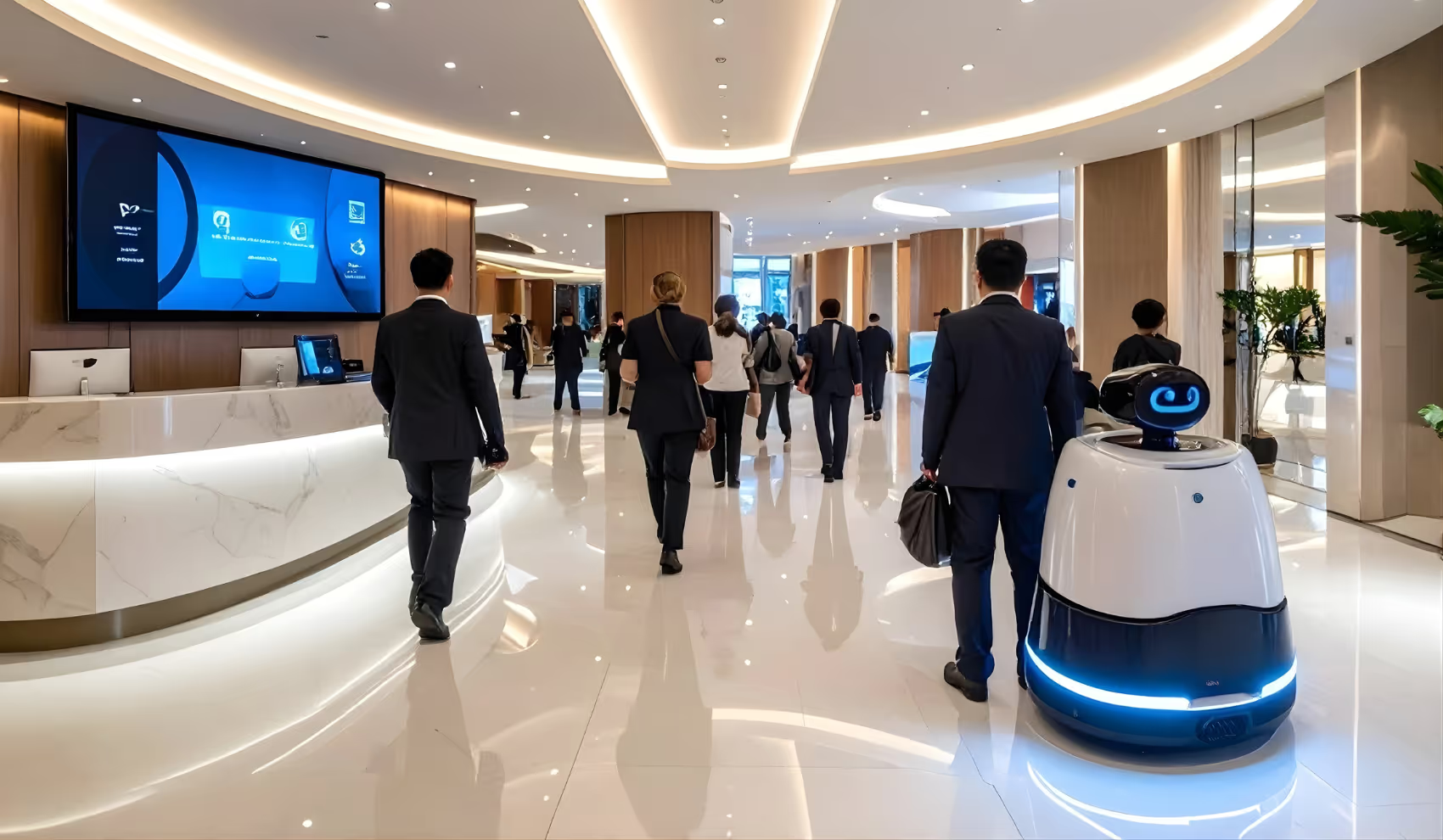
In every era of hospitality, a single technology quietly transforms how hotels think, work, and connect with guests. The first Property Management Systems digitized reservations. Channel managers expanded reach. Mobile apps gave guests control at their fingertips. Now, a new frontier is emerging, driven by hotel business intelligence tools that go beyond automation. Artificial Intelligence is no longer just an assistant to humans. It is becoming a co-operator that thinks, adapts, and acts alongside them. We are entering the age of cognitive hospitality.
From Reactive Operations to Predictive Intelligence
Today, most hotels still operate reactively, responding to guest requests, occupancy changes, or service gaps. But the next evolution will be guided by hotel business intelligence software that predicts needs before they even appear. Imagine your property’s digital systems like PMS, housekeeping, maintenance, CRM, all feeding data into one unified intelligence. It can recognize early check-in patterns, forecast service bottlenecks, and allocate staff automatically based on what’s happening in real time. In this near future, a housekeeping system doesn’t just schedule cleaning rounds; it senses when rooms are ready through motion, temperature, and guest device signals. Maintenance no longer waits for a service ticket. It detects unusual vibration patterns in the HVAC system and creates a task before anyone calls. The hotel of tomorrow will not just run faster. It will run smarter, continuously learning from its own rhythm and data patterns.

Where Conversations Become Commerce
The guest journey is turning into a continuous conversation. Instead of scrolling through websites or apps, travelers will simply tell their digital assistants what they want, and those assistants will handle everything.
“Find me a resort in Kyoto with private onsen villas, a mountain view, and electric vehicle pickup.”
“Book me a three-night stay in Paris near the Louvre with a large workspace and late checkout.”
In seconds, the system compares live inventories, reviews, and prices, completes the booking, processes payment, and even pre-selects preferred amenities. Guests may never touch an OTA or open a browser again. The entire transaction could happen through a single exchange between two digital assistants, the traveler’s and your hotel’s AI-powered system. This is already becoming real. Stripe’s Agentic Commerce allows AI agents to handle payments securely, while conversational systems like PolyAI are learning to speak the language of hospitality naturally and intelligently. For hotels, the next booking engine might not be a webpage. It could be a smart hotel system that knows when a traveler is ready to book.
The Rebirth of the Concierge
As hotel business intelligence tools and automation handle routine work, the human role will shift from transactional to emotional. Front-desk teams will no longer be valued for speed, but for empathy, and for noticing small cues, handling recovery moments, and adding human warmth where technology cannot. The AI concierge will take care of confirmations, reminders, and upgrades. The human concierge will become the storyteller, curating experiences that make every stay memorable. We will no longer train staff to follow steps. We will train them to design moments.
Data: The New Language of Hospitality
AI thrives on clarity, not just volume. In tomorrow’s hospitality landscape, your property’s visibility will depend on how well your data can be read, understood, and trusted by hotel business intelligence tools. Every room description, amenity tag, and review becomes a digital signal. Hotels that organize their data properly like linking services, locations, sustainability, and experience details, will appear more naturally in AI-powered searches and travel planning tools. Your ranking will not only live on a website anymore. It will be decided in a conversation between two intelligent systems that understand which hotel truly fits a traveler’s intent.

Hospitality Intelligence: Beyond Automation
Real transformation begins when technology becomes a collaborator rather than just a helper. This is where hospitality data intelligence takes center stage. AI and analytics will blend data, timing, and emotion into a learning system that helps your hotel:
- Predict occupancy and staffing needs before demand rises
- Detect guest emotions through voice and behavior in real time
- Adjust pricing dynamically based on market context and guest sentiment
- Recommend sustainability actions that improve efficiency and reduce waste
When every department, from housekeeping to CRM, becomes part of one connected network, the hotel evolves into a living system powered by hotel business intelligence software. It starts to feel the rhythm of its guests and respond with precision.
Redefining What It Means to Be Human in Hospitality
This future doesn’t remove the human touch in hospitality; it enhances it. Teams will have more time for empathy, creativity, and genuine connection, the parts of service that can’t be coded. Leaders such as General Managers and Directors of Operations will no longer just manage performance metrics. They will design intelligence itself, deciding how systems think and what values they optimize for. The real question for tomorrow’s hoteliers isn’t “How do we use AI?” but “How do we teach it to understand what makes hospitality human?” Imagine a stay where your hotel already knows you but still manages to surprise you. Your favorite cookie is waiting in the room. The temperature, pillow firmness, and music are just the way you like them.
The age of cognitive hospitality and hotel business intelligence is here. The question isn’t when it arrives. It’s whether your hotel is ready to think.